When looking for a DevOps platform, Zadig and Coding are common choices. Coding DevOps is a one-stop R&D collaboration management platform for software development teams provided by Tencent, while Zadig is a self-service cloud-native DevOps platform developed by KodeRover based on Kubernetes. A deep understanding of their commonalities and differences not only helps meet current needs but also provides reliable support for future construction needs. By comprehensively evaluating the advantages of both platforms, enterprises can better choose the most suitable DevOps platform for their teams and projects.
# Common Features of Zadig and Coding
- Out-of-the-Box Usability
- Support for Continuous Integration, Continuous Delivery, and Continuous Deployment
- Flexible and Configurable Workflows, Supporting Blue-Green Deployments
- Support for K8s YAML, Helm, and Host Scenarios
- Support for Overall System Status Visualization
- Support role-based permission management
# What Are the Differences Between Zadig and Coding?
Although Zadig and Coding are both DevOps platforms, there are some key differences. Coding is a closed-source product of Tencent Cloud PaaS, naturally aligned with Tencent Cloud infrastructure and products. Zadig, on the other hand, is 100% open-source and cloud-neutral, supporting integration with major cloud providers such as Alibaba Cloud, Tencent Cloud, Huawei Cloud, AWS, Google GCP, Microsoft Cloud, and self-built clouds. It also supports integration with enterprise-built tools like Nexus, Sonar, and Harbor, meeting scenarios such as multi-cloud deployment, global delivery, and cross-cluster migration.
| Coding | Zadig | |
|---|---|---|
| Product Positioning | R&D Collaboration Management Platform | Self-Service Cloud-Native DevOps Platform |
| Company | Tencent Cloud - Sub-product | KodeRover - Professional DevOps Platform Provider |
| Pricing | Private Deployment: Over hundreds of thousands | Private deployment: 1428~2000 元/人年起 |
| Installation Method | Mainly Promotes Public Cloud Services, Provides Private Deployment Solutions | Private Deployment, Offering "Host-Based Quick Trial" and "K8s-Based Official Operation and Maintenance" Installation Methods |
| Migration Costs | All Services Need Initialization | Supports Hosting and Importing Existing Services |
| Workflow Capabilities | CI/CD from the Code Repository Perspective | CI/CD from the Service Perspective |
| Environment Management | Application-Level Environment Management | Product-Level Environment Management |
| Test Management | Manual Test Case Management | Automated Test Case Management |
| Change Management | No Support for Configuration, Data, and Project Task Status Changes | Supports Automated Configuration, Data, and Project Task Status Changes |
| Release Strategies | Supports Blue-Green and Batched Gray Releases | Supports Blue-Green, Canary, Batched Gray, MSE Full-Link, and Istio Full-Link Gray Release Strategies |
| Performance Insights | Comprehensive Multi-Dimensional Analysis | Supports Custom Metrics and Scoring Weights |
| Account System | Supports Tencent Cloud Accounts/LDAP/AD/Flyshu Members | Supports Single Sign-On (SSO)/LDAP/AD/Flyshu/Enterprise-Built User Center |
| Access Control | Support for RBAC permission management | Support for both RBAC and ABAC permission management |
| Enterprise Personalization Settings | Not Supported | Allows Configuration of Enterprise Logos and Custom System Themes |
| Ecosystem Capabilities | Tencent Cloud Ecosystem Friendly | Extensive Multi-Cloud Heterogeneous Support, Unifying the Governance of Complex and Diverse Delivery Scenarios for Enterprises |
# Product Positioning Comparison
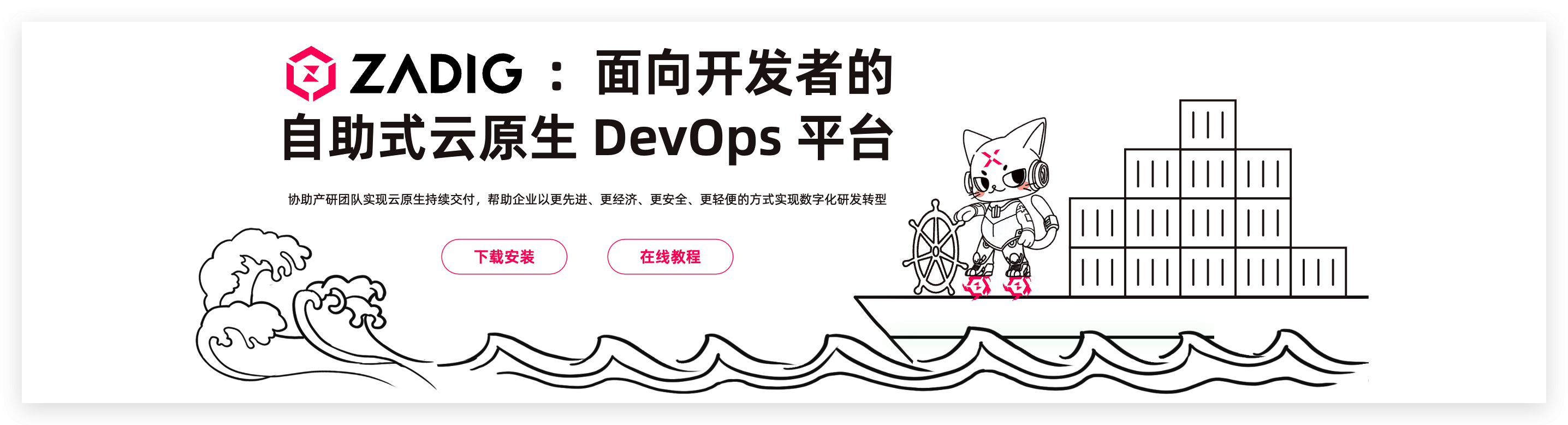
- Coding: One-Stop R&D Collaboration Management Platform for Software Development Teams

- Zadig: Self-Service Cloud-Native DevOps Platform for Developers
# Installation Method Comparison
- Coding: Mainly Promotes Public Cloud Services, Providing Private Deployment Solutions for Larger-Scale Enterprises or Teams
- Zadig: Supports Private Deployment, Offering "Host-Based Quick Trial" and "K8s-Based Official Operation and Maintenance" Installation Methods, and Can Be Deployed Locally on Standard K8s > v1.16
# Migration Cost Comparison
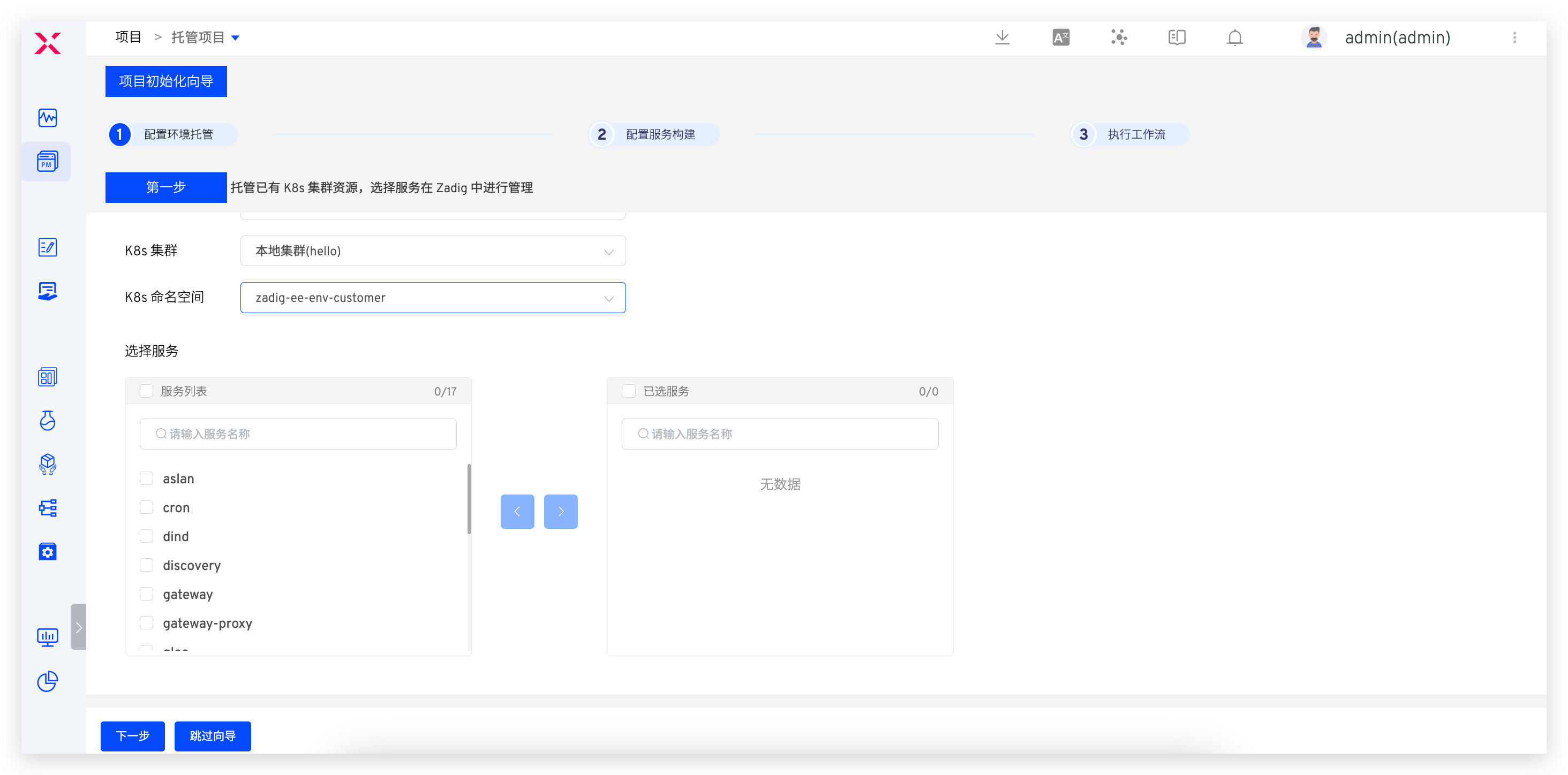
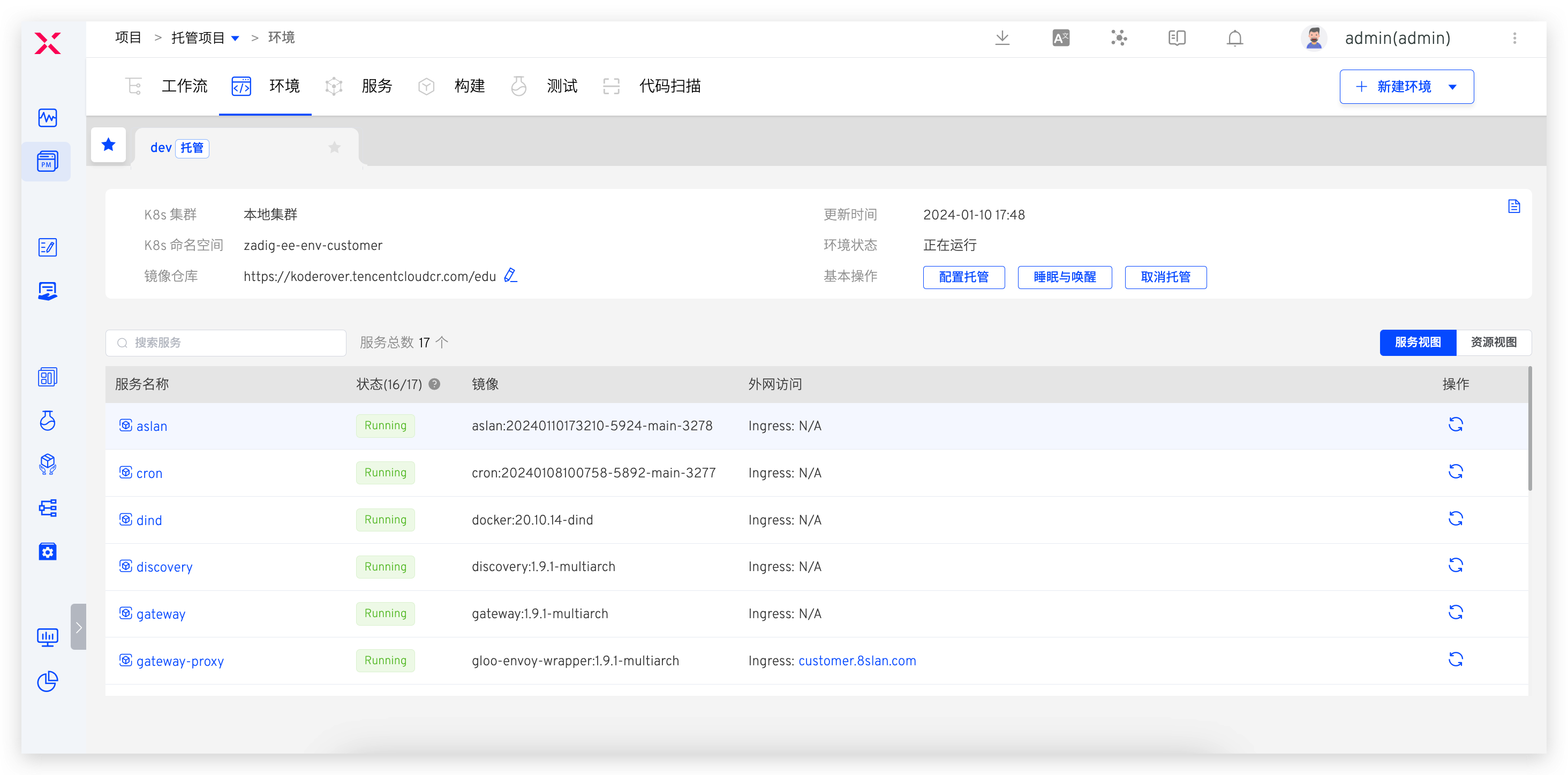
- Coding: Access to the Application Center Module, Service Initialization Process is Relatively Complicated
- Zadig: Provides Hosting and Importing Capabilities for Existing Services, Enabling Quick Access to Business Grouping, Environmental Visualization, and Business Automation Changes on Zadig
# Workflow Capability Comparison
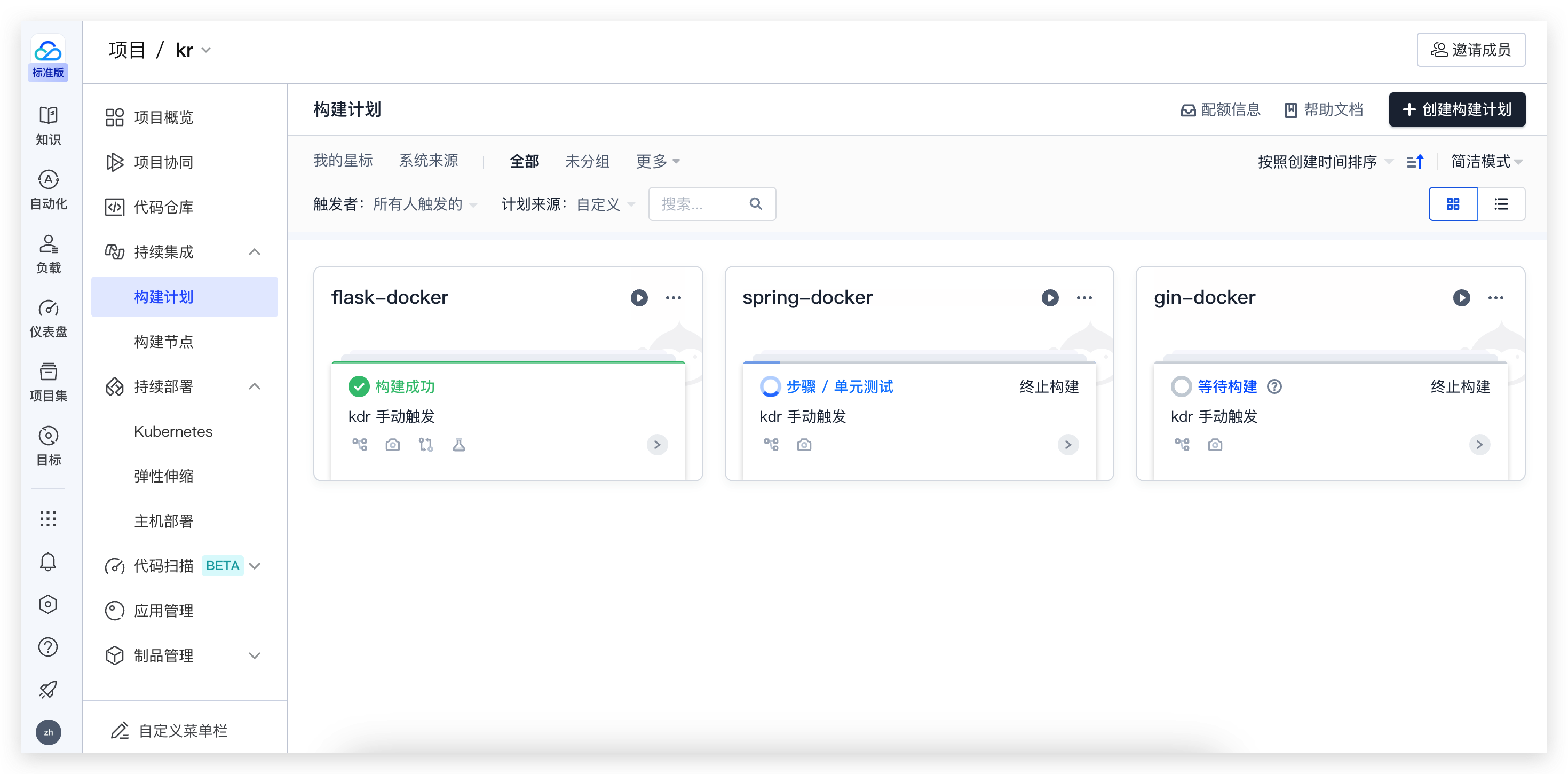
- Coding: Focuses on the code repository as the primary perspective, with each repository corresponding to a build plan. In cases of large-scale microservices, this approach requires maintaining a large number of build plans, and concurrent building and deploying of multiple services can be challenging.
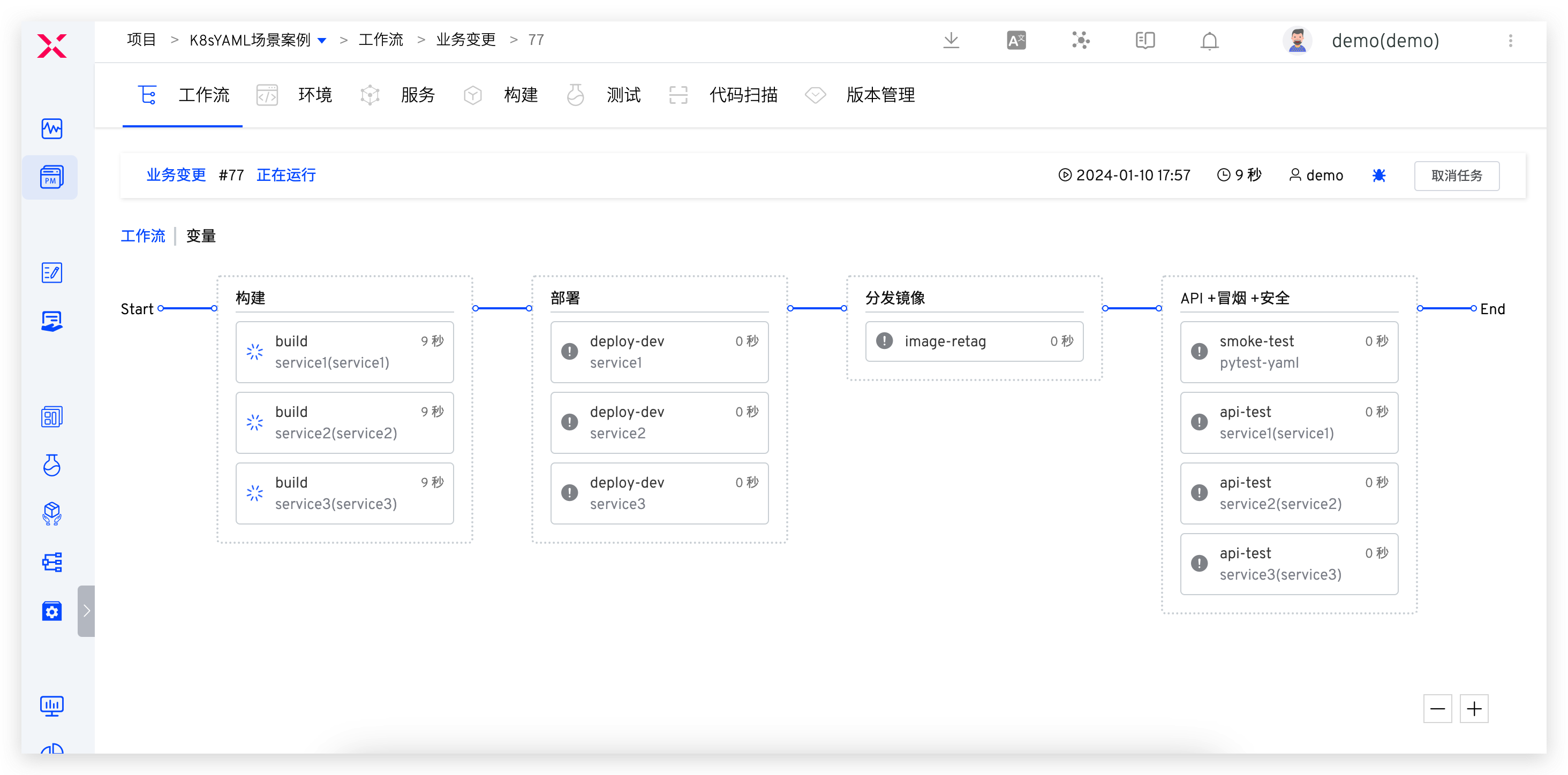
- Zadig: Focuses on services as the primary perspective, with simple configuration. The workflow execution supports flexible selection of services and corresponding code, enabling concurrent building, deploying, and testing of multiple services. Custom tasks can be developed to support interaction with any external system.
# Environment Management Comparison
- Coding: Environment from the Application Perspective, Can View Testing, Development, Pre-Release, and Production Environments of Services in the Application
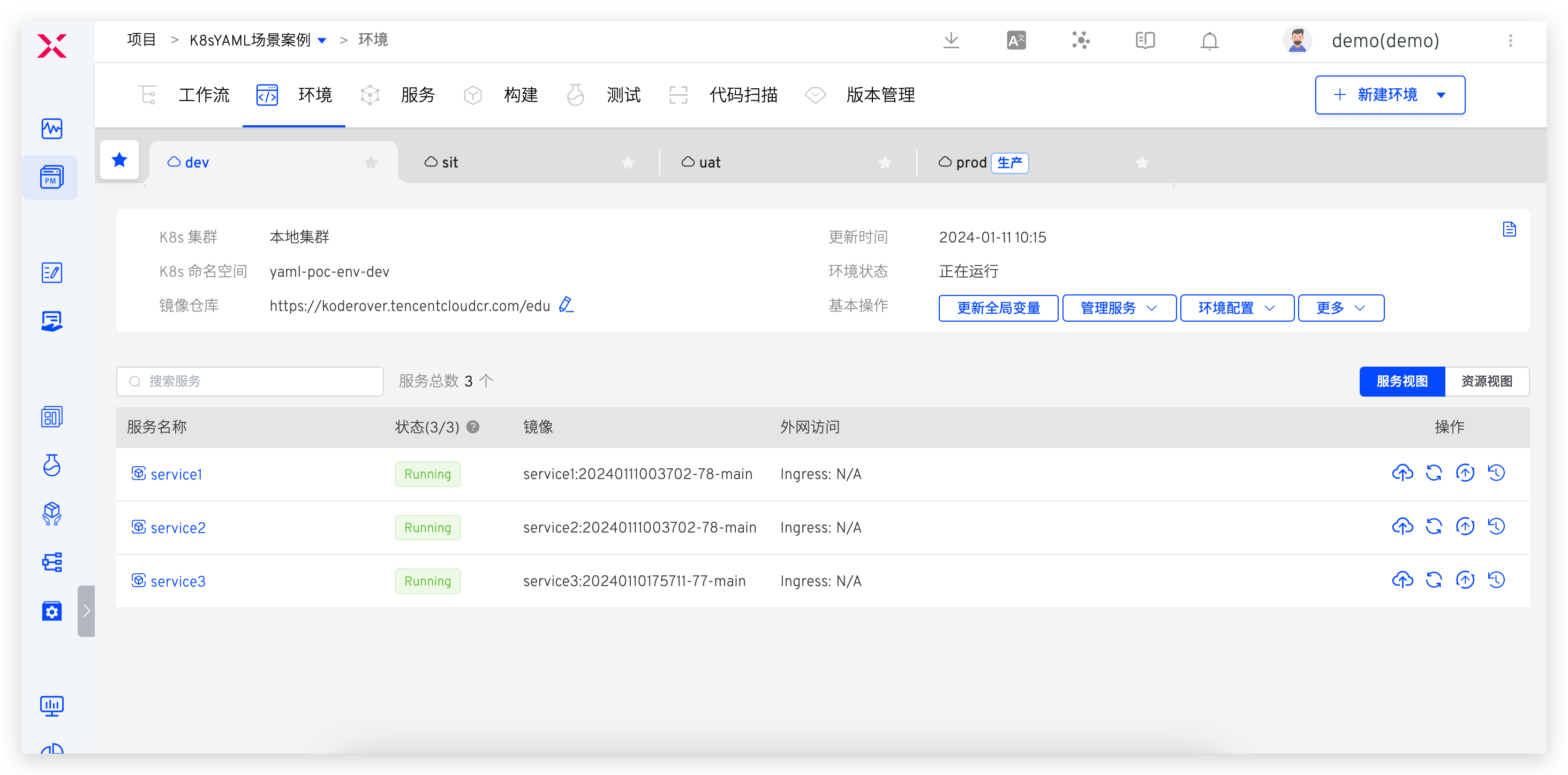
- Zadig: Provides Engineers with an Overall System Perspective, Making System Status Clear at a Glance. In the Event of System Failure, It Facilitates Multi-Application Joint Diagnosis
# Test Management Comparison
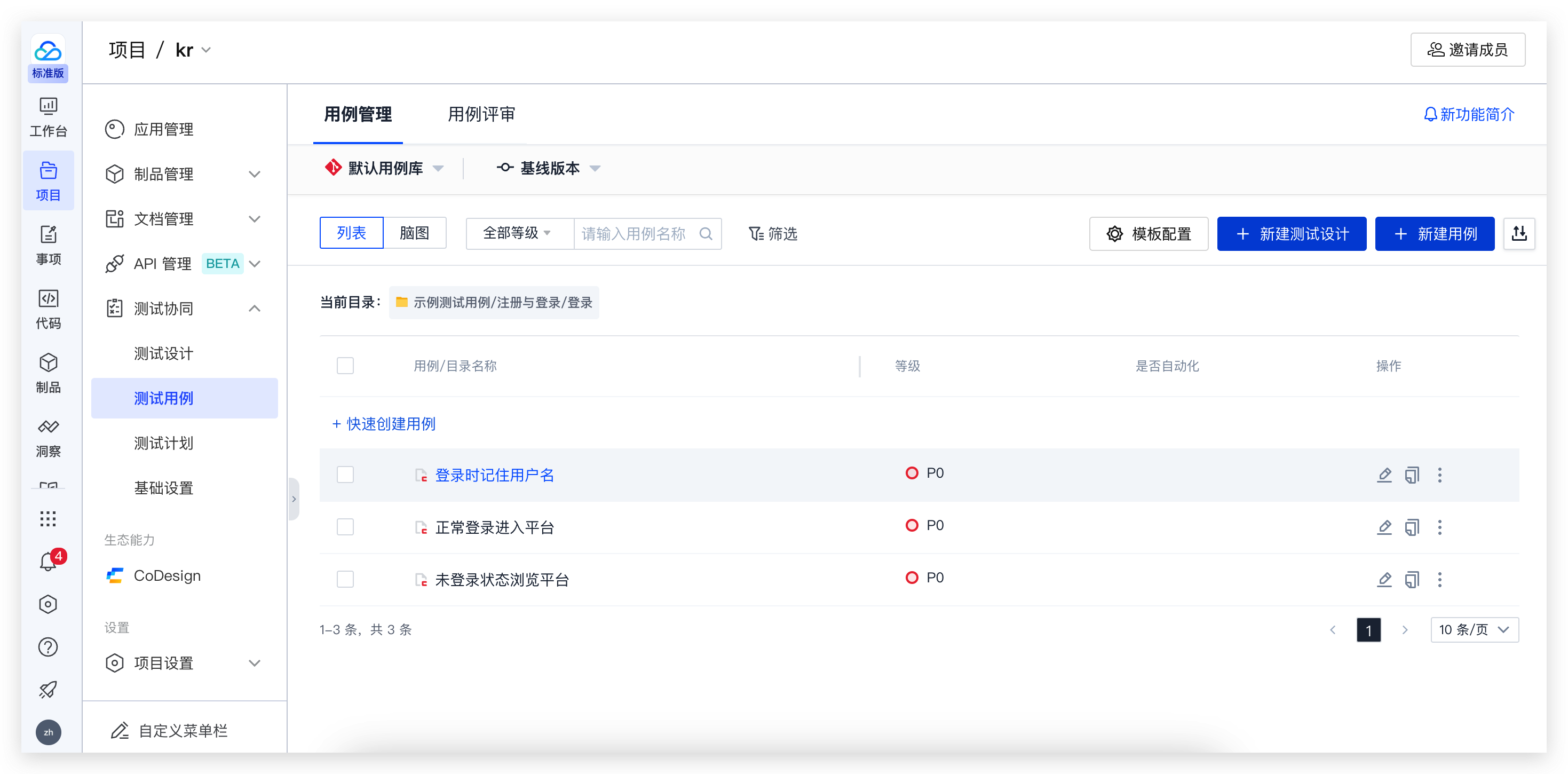
- Coding: Focuses on Manual Testing, Including Designing Manual Test Cases for Products or Requirements, Planning the Implementation of Test Plans, and Submitting Test Reports After Testing
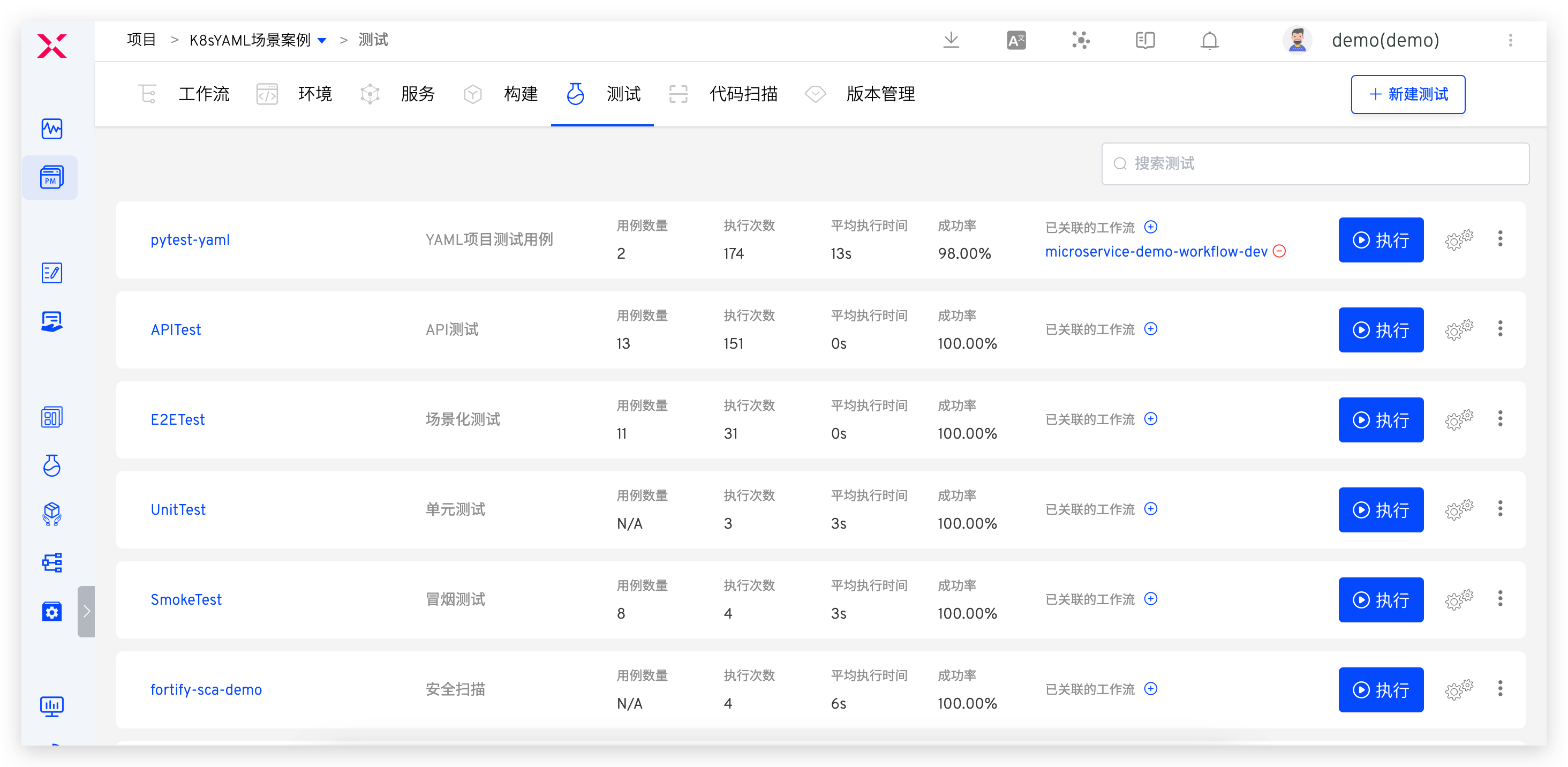
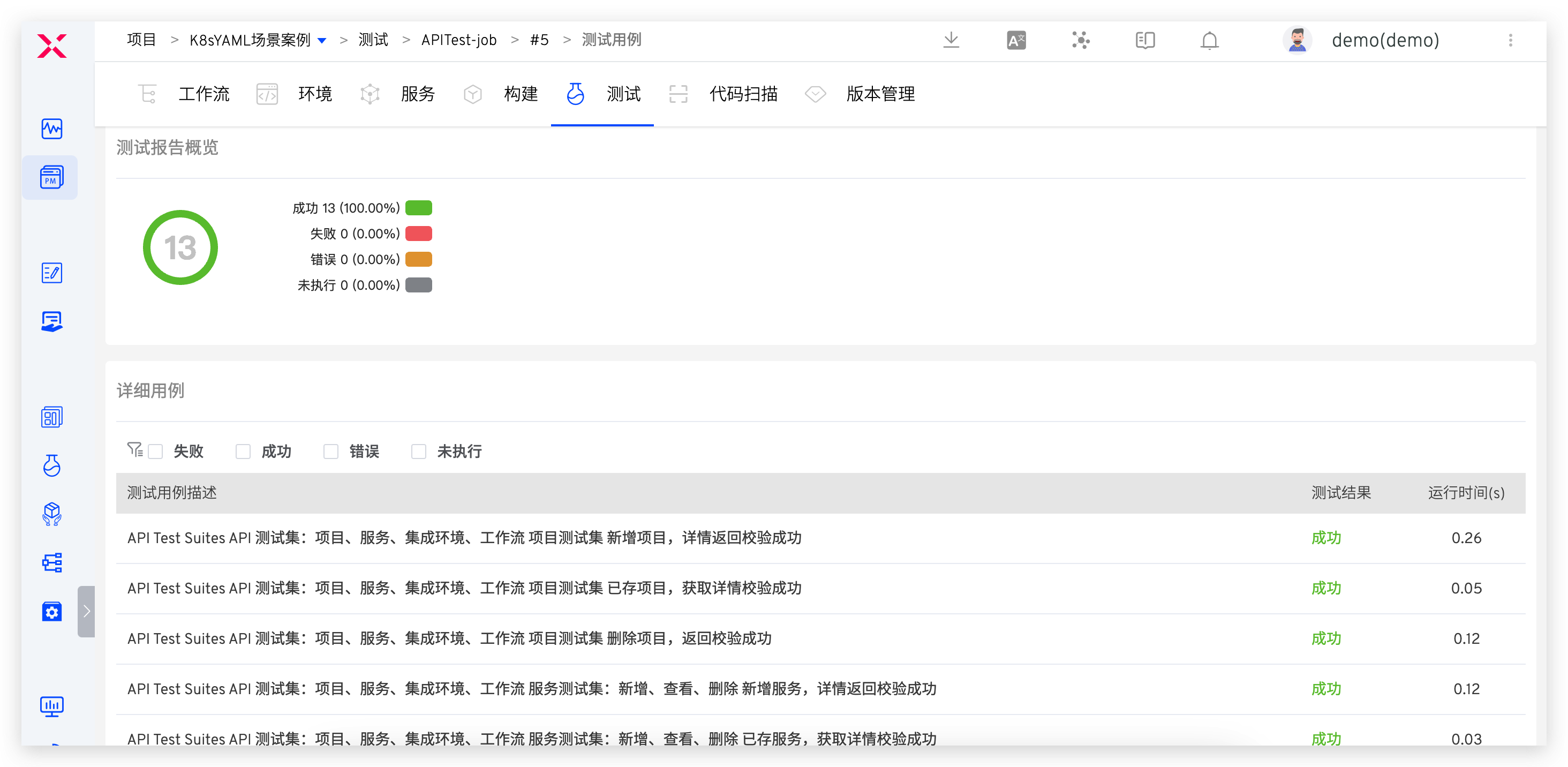
- Zadig: Focuses on Automated Test Management, Covering Automated Test Set Management, Test Environment Support, Test Execution, and Result Analysis. It Also Supports Output and Parsing of Standard Junit/Html Test Reports. Through Workflows, It Provides Pre-Test Verification Capabilities. Continuous Testing and Quality Analysis Maximize the Value of Testing
# Change Management Comparison
- Coding: Does Not Support Configuration, Data, and Project Task Status Changes Through Workflows
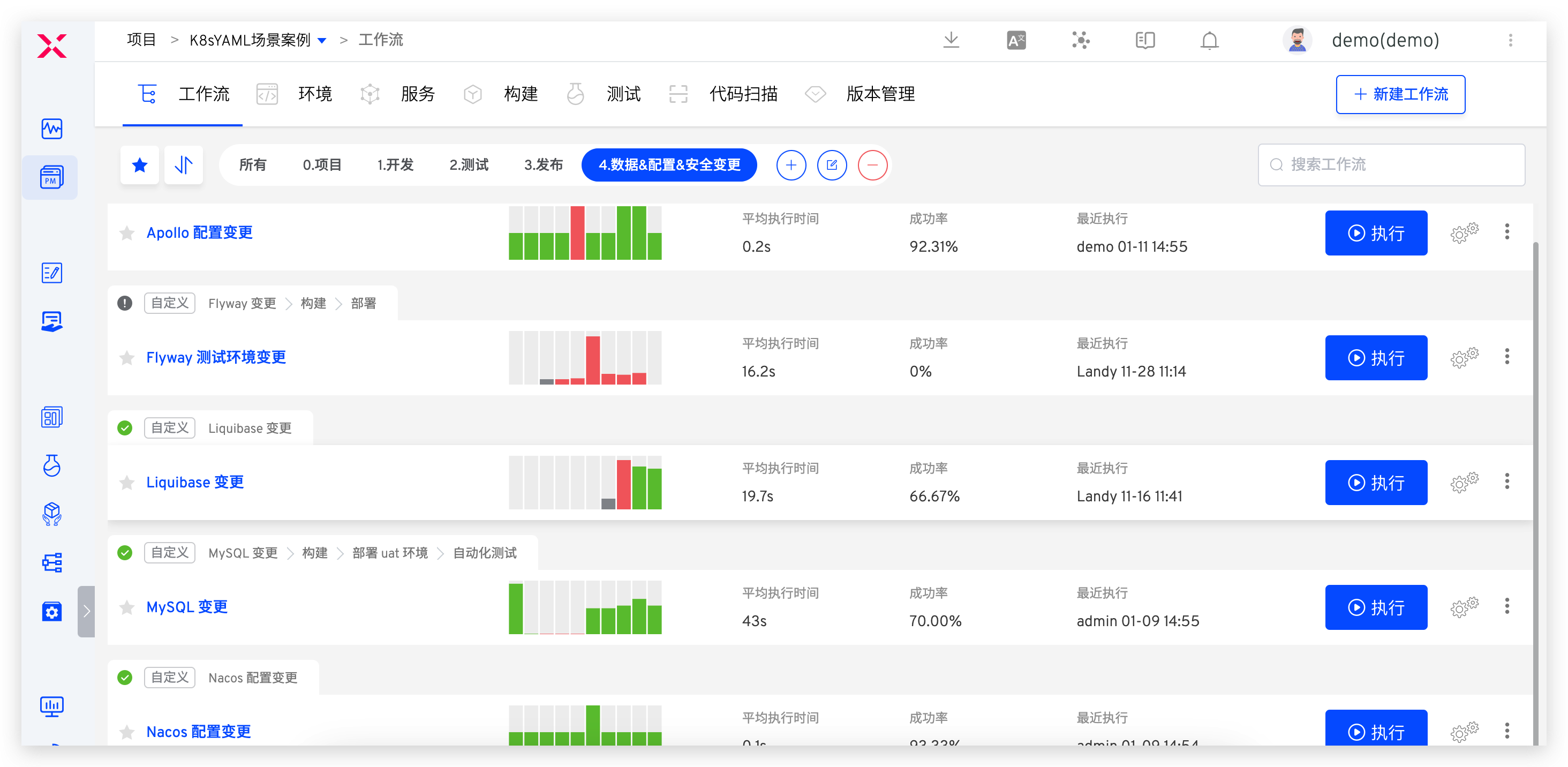
- Zadig: Through Custom Workflows, It Easily Achieves Cross-Environment Consistency Changes in Nacos/Apollo, DMS Data Change Work Orders, SQL Data Changes, Feishu/DingTalk IM Approval, and Feishu/Jira Project Task Status Changes. Zadig's Custom Workflows Support Orchestrating Various Business Changes in a Single Process, Completing Configuration, Data, Project Task Status, and Business Changes at Once, Enhancing Operational Efficiency
# Release Strategy Comparison
- Coding: Supports Blue-Green and Batched Gray Releases
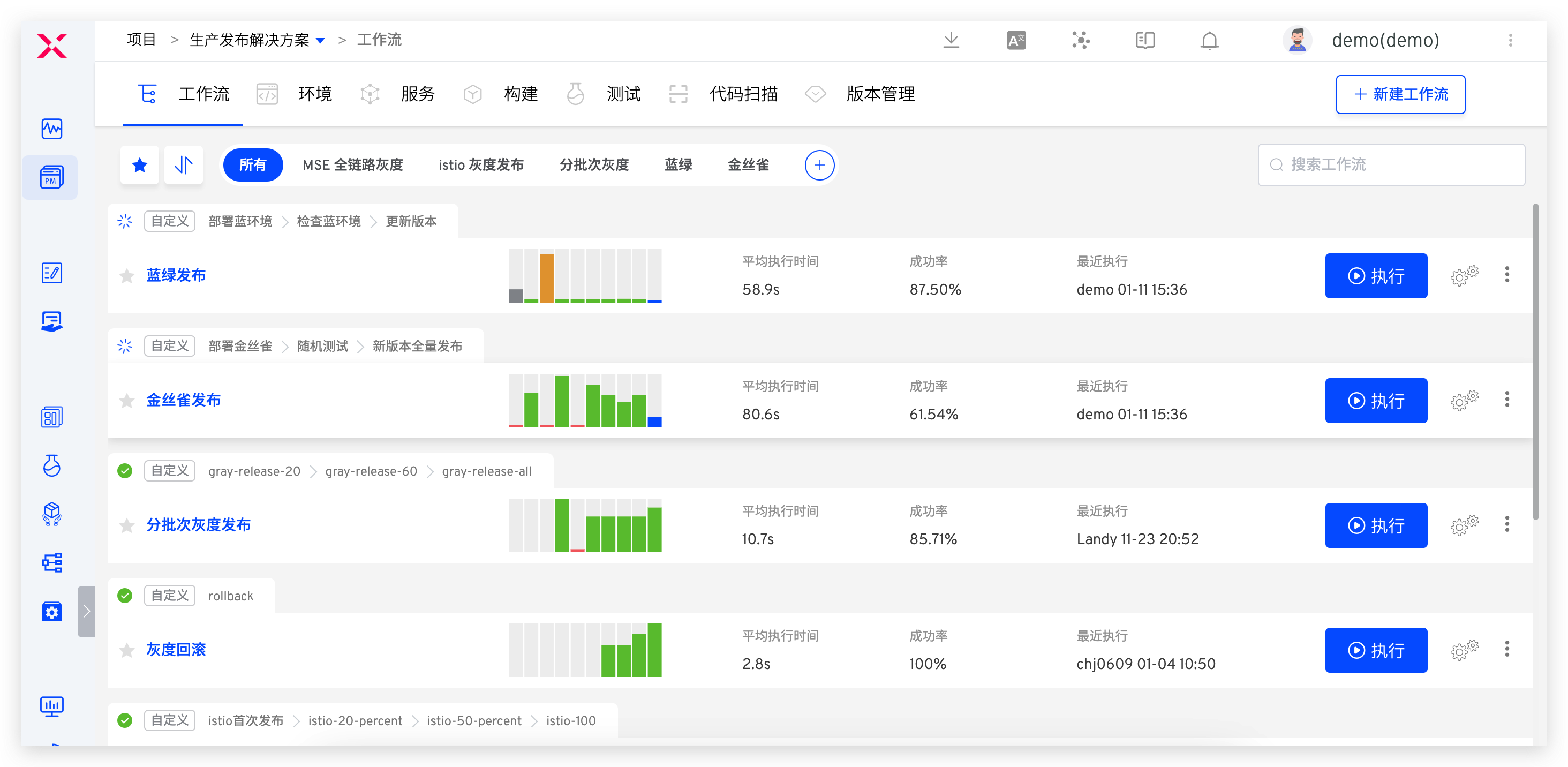
- Zadig: Provides More Gray Release Strategies, Including Cloud-Native Blue-Green, Canary, Batched Gray, MSE Full-Link, and Istio Full-Link Gray Releases
# Performance Insight Comparison
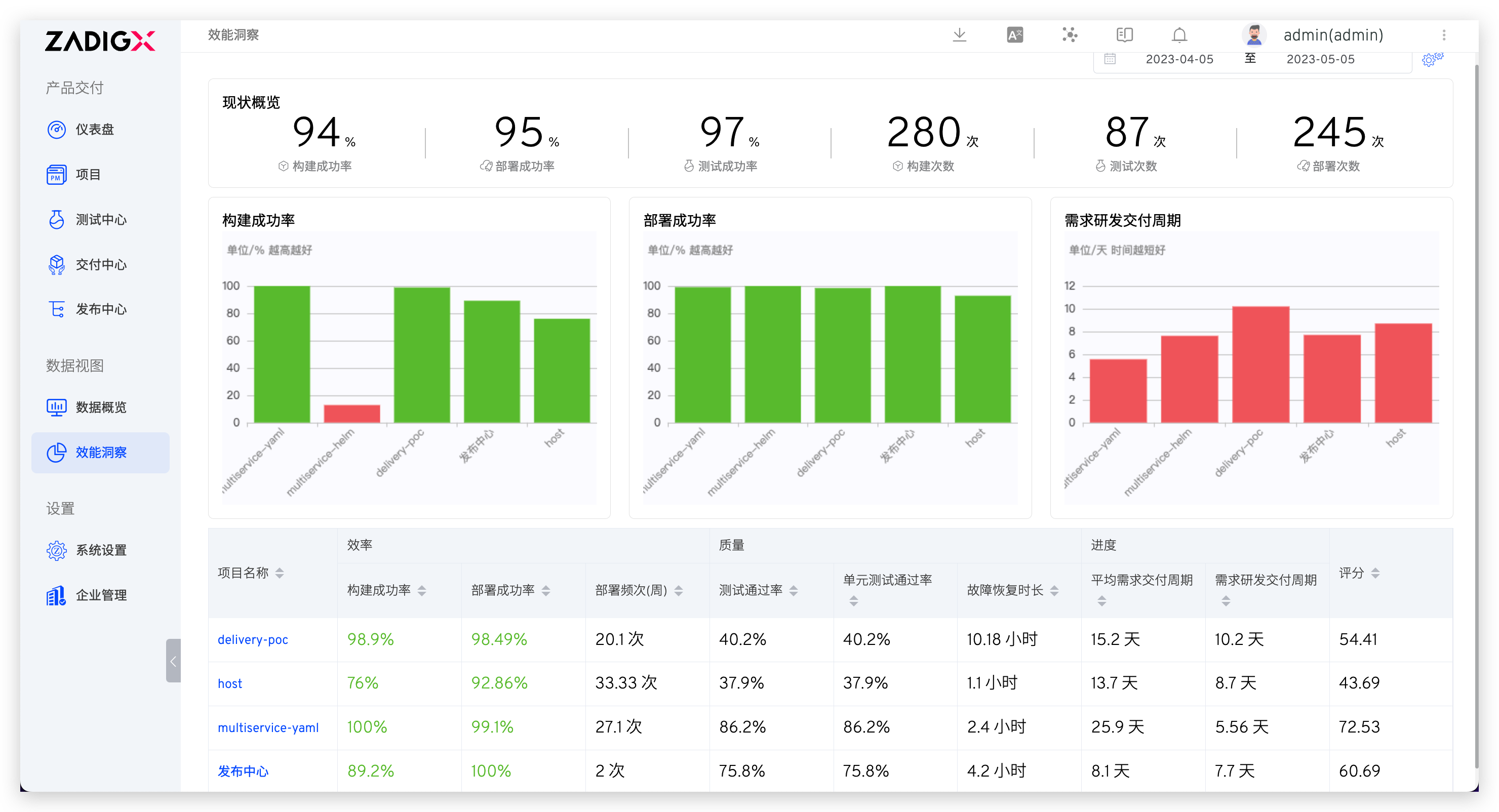
- Coding: Fully Covers Statistical Needs in the Fields of Requirements/Code/Build/Test/Deployment/Value, Providing Multi-Dimensional Indicator Display
- Zadig: Provides Objective Performance Measurement Data for the Overall System Data Board and Project Dimensions, Such as Quality, Efficiency, and Progress. By Customizing Dashboard Indicators and Weight Settings, It Accurately Analyzes Business Performance Shortcomings and Provides Data Support for Managers to Make Project Decisions
# Account System Comparison
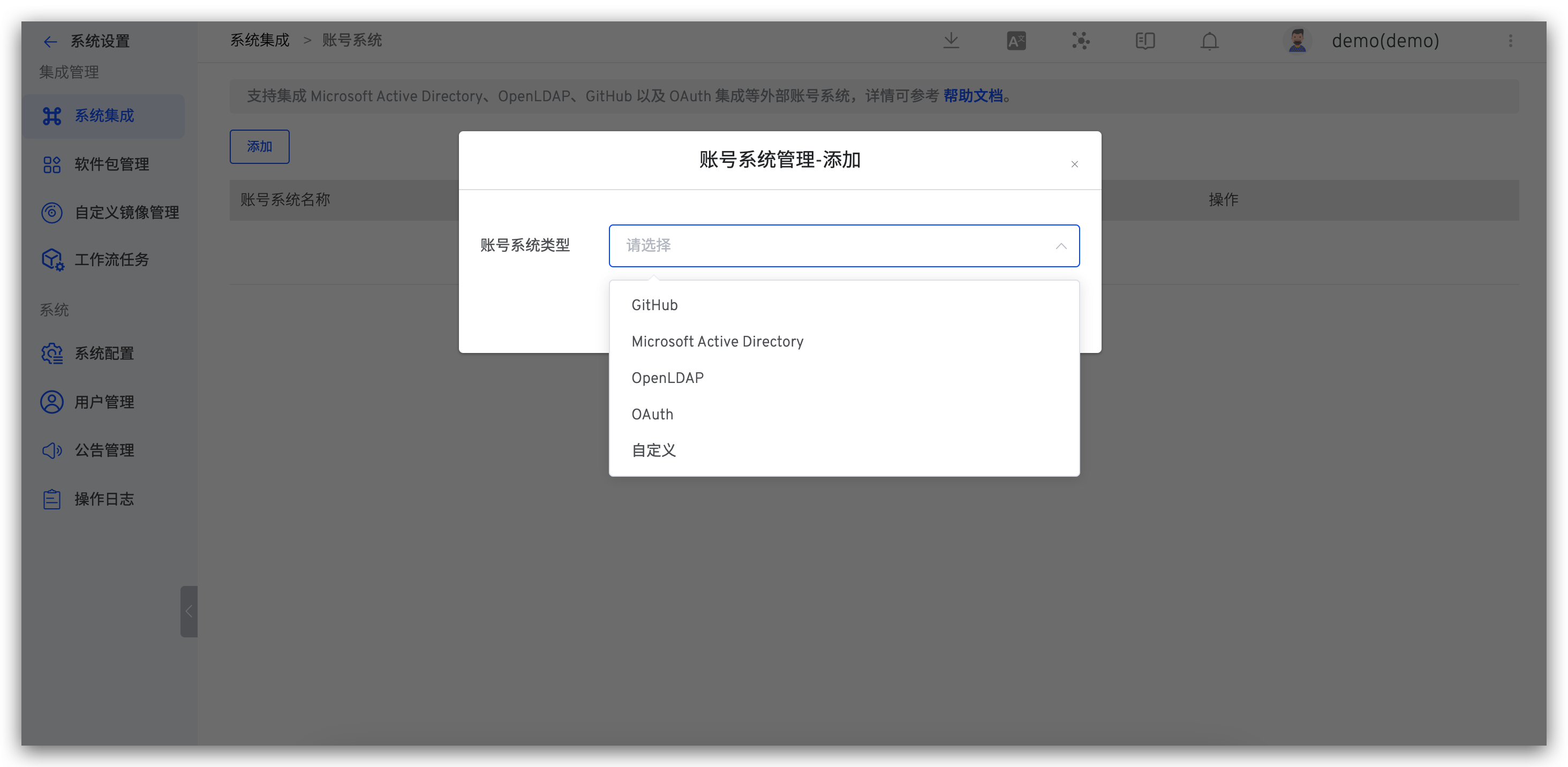
- Coding: Supports Tencent Cloud Accounts and Provides Options to Integrate LDAP/AD/Flyshu Members
- Zadig: Supports Multiple Integration Methods, Including Enterprise Single Sign-On (SSO), LDAP, AD, or Using Enterprise-Built User Centers
# Access Control Comparison
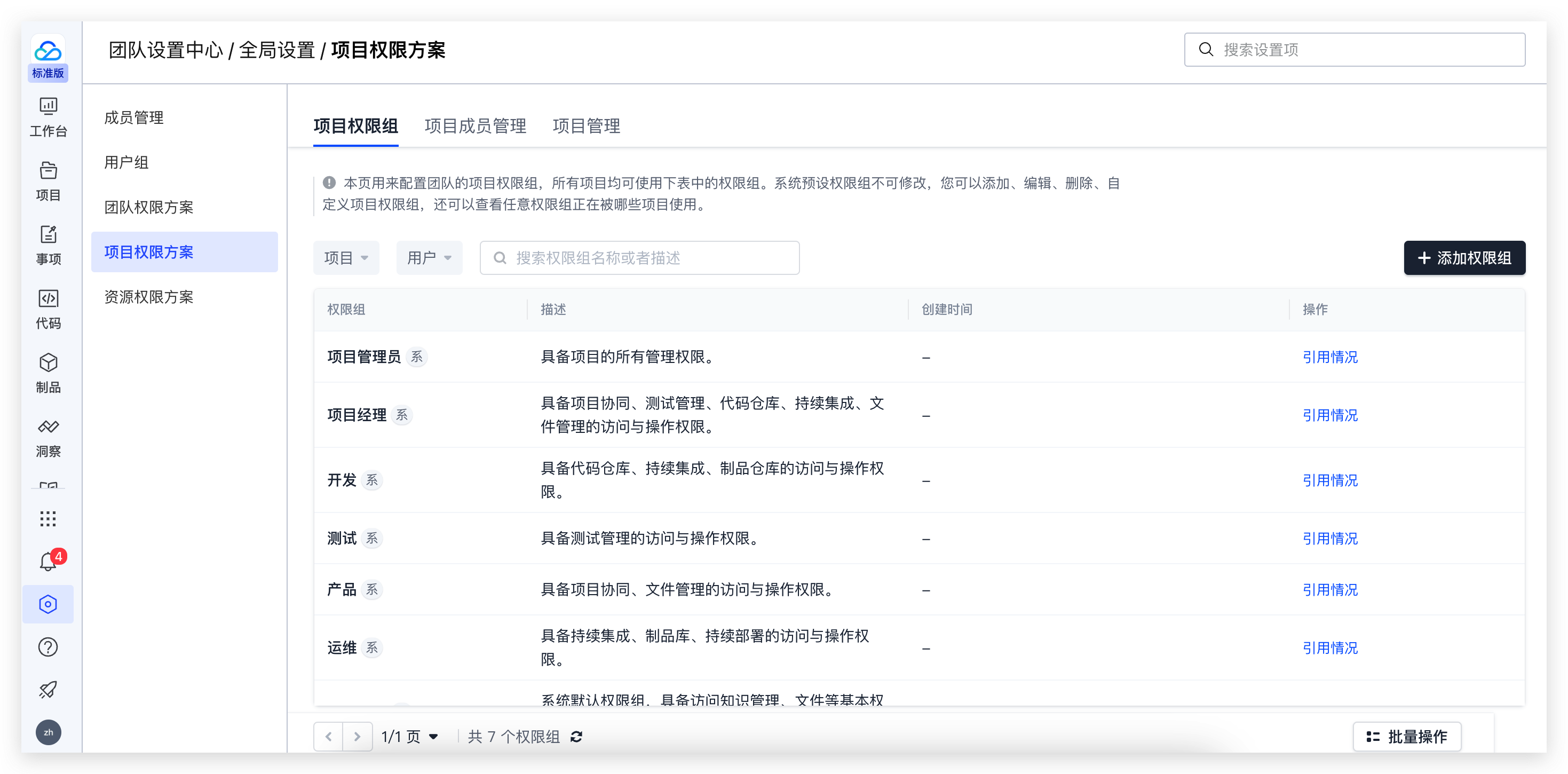
- Coding: Provides role-based permission management.
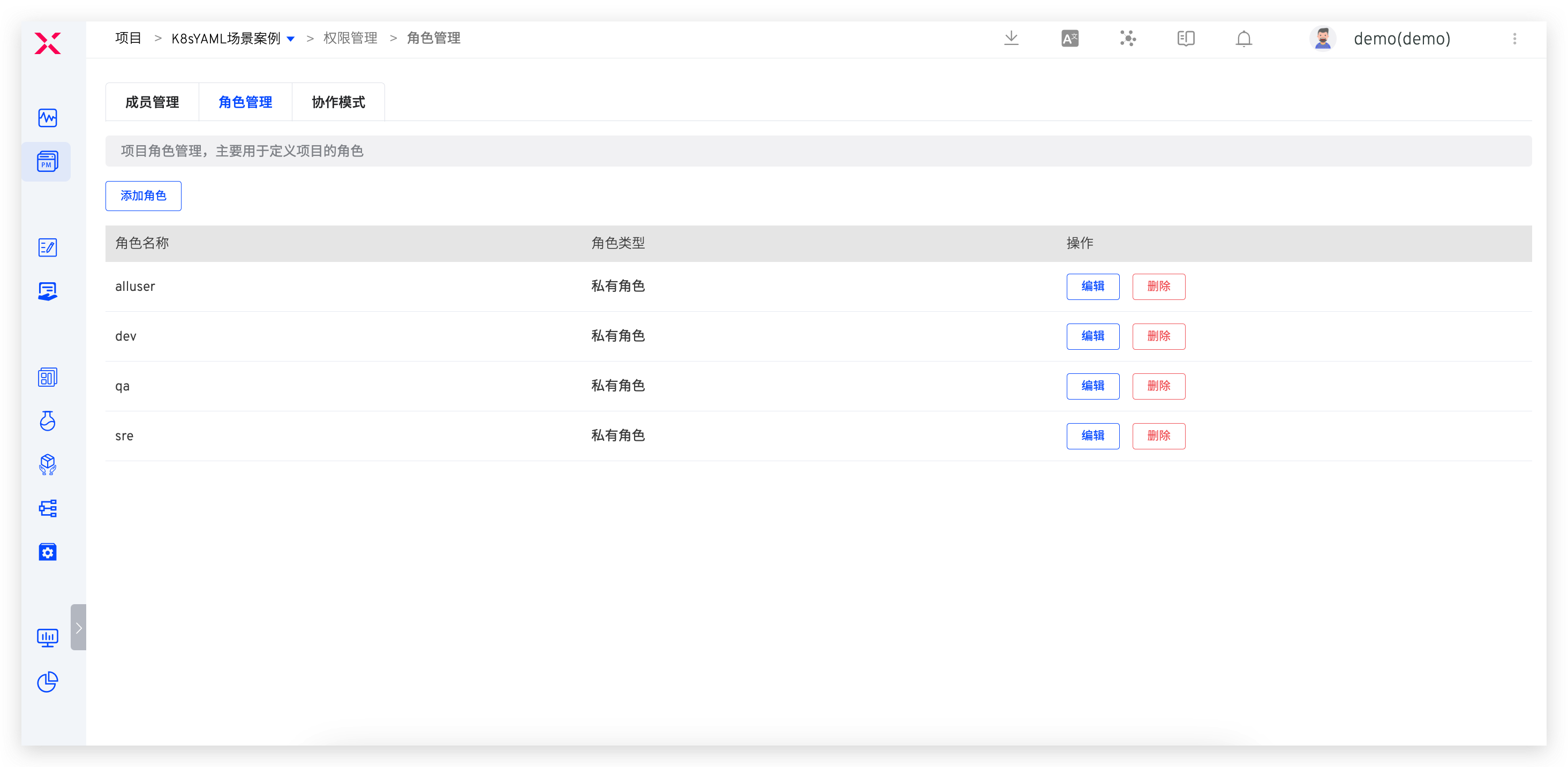
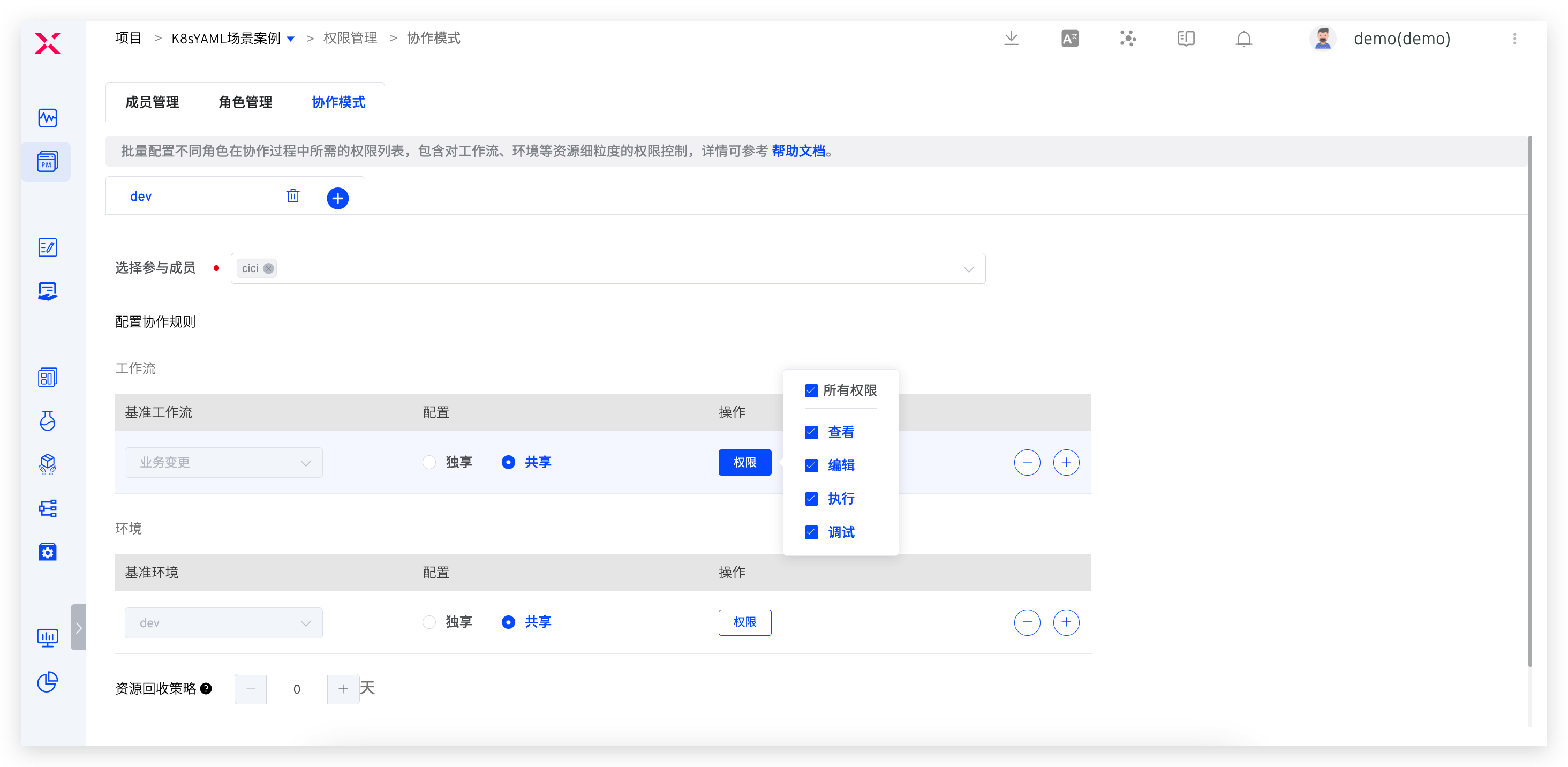
- Zadig: In addition to role-based permission management, it also provides finer granular permission control, allowing precise control of permissions to specified workflows and execution environments.
# Enterprise Personalization Settings
- Coding: Does Not Provide Customization Options for Enterprise Personalization Settings
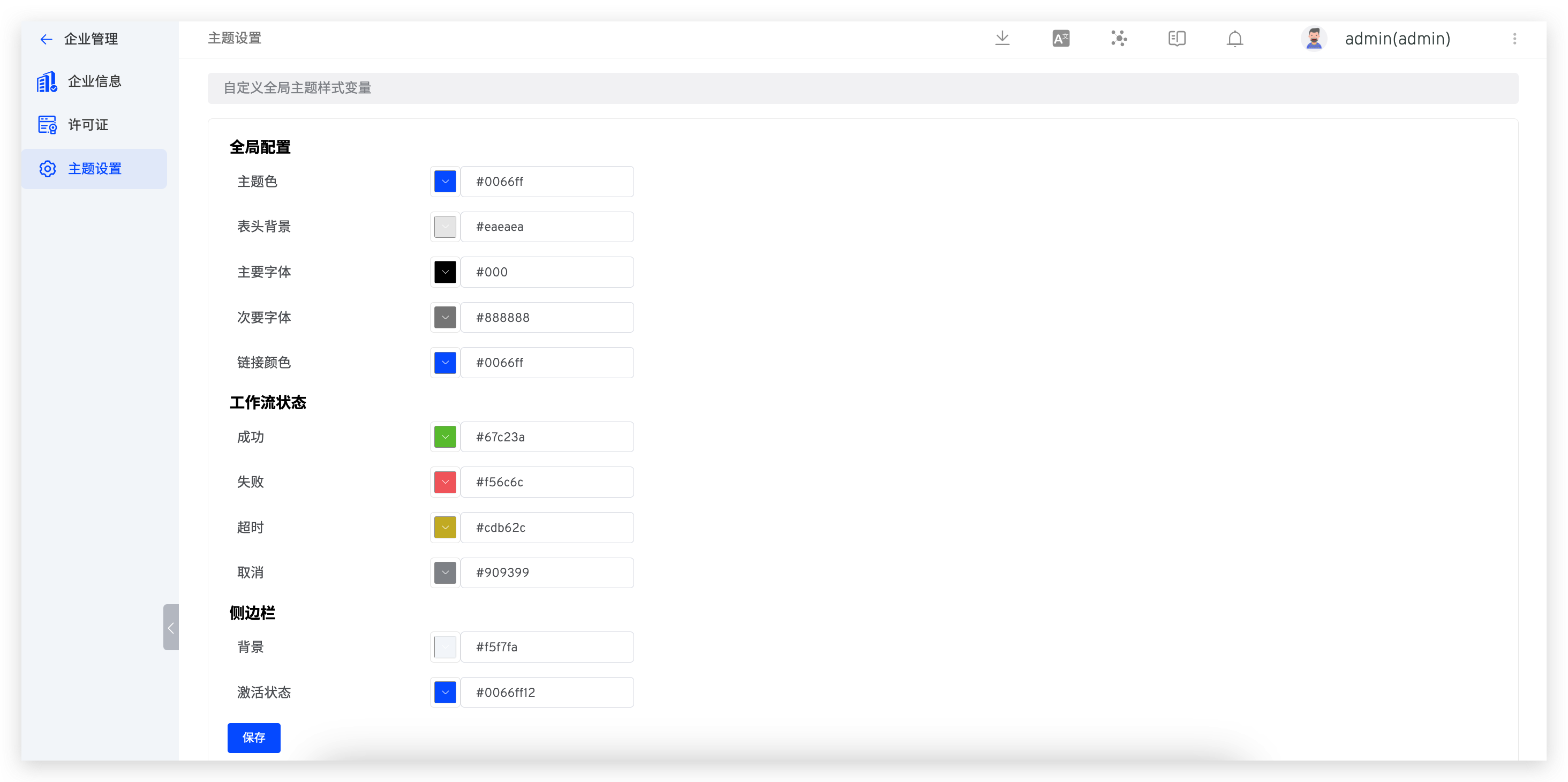
- Zadig: Allows Enterprises to Configure Their Own Logos and Supports Customizing System Themes Based on the Enterprise's Visual Design Specifications
# Summary
Overall, While Zadig and Coding Both Serve R&D Teams, There Are Essential Differences in Their Design Philosophies. Coding Focuses on R&D Collaboration Management and Is a Process Collaboration Platform; Zadig, on the Other Hand, Emphasizes Improving Production and Research Efficiency Through Cloud-Native DevOps. In Coding, Build and Deployment Are Divided into Two Modules, Which Are Relatively Separated; on Zadig, a Single Workflow Can Complete Build, Deployment, Testing, Configuration Changes, and Data Changes in the R&D Process, Providing Developers with an Ultimate User Experience.


